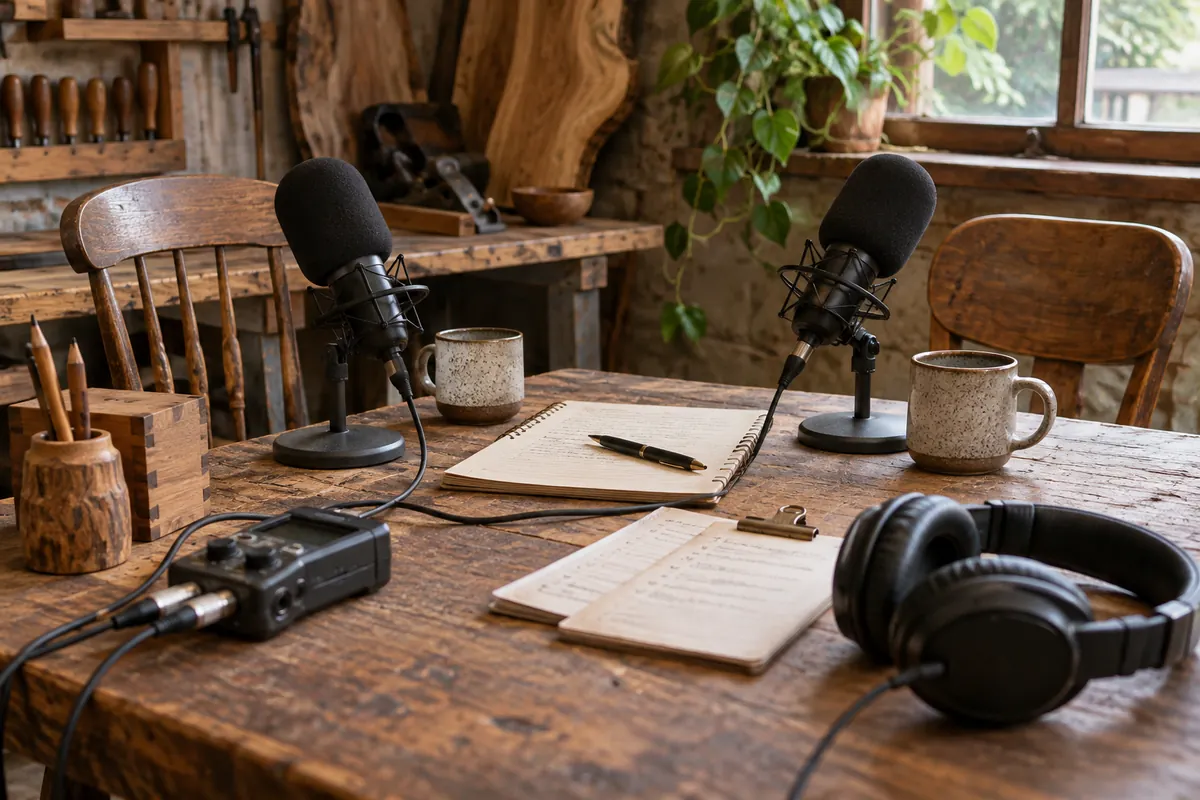
An interview may seem straightforward to its host, who has arranged the same equipment and introduction many times. A guest encounters all of that for the first time, perhaps without knowing how long the recording will last or what will happen to their words. Clear advance arrangements reduce uncertainty and protect time for the conversation itself.
Explain the programme clearly
A guest should know the purpose, expected audience and broad subject of the conversation. Clear expectations reduce unnecessary surprises during recording.
It is worth deciding what a satisfactory result would look like before proceeding. Send a concise outline of the planned subject and approximate duration. A clear expectation makes it easier to recognize when a small alteration has done enough and another is unnecessary. Try not to confuse a conspicuous change with an actual improvement. Invite questions about the format or subjects before the session. If the outcome is difficult to assess, repeat the exercise with a simpler example and keep the two versions separate. The comparison is useful even when neither version is ready for final use.
Discuss permission and use
Recording a conversation and publishing it are distinct matters. Participants need to understand what will happen to the audio and any related notes or transcript.
Do the small preliminary exercise before getting absorbed in the larger task. Agree on the intended use and how sensitive material will be handled. Think about what might make it fail outside this particular example, such as a change in the available time, the material or the person doing the work. Confirm any special conditions before recording begins. Where the method is promising but the result remains inconsistent, simplify the arrangement or examine the source of the discrepancy. A method you understand well is generally easier to adapt than one that happens to work once.
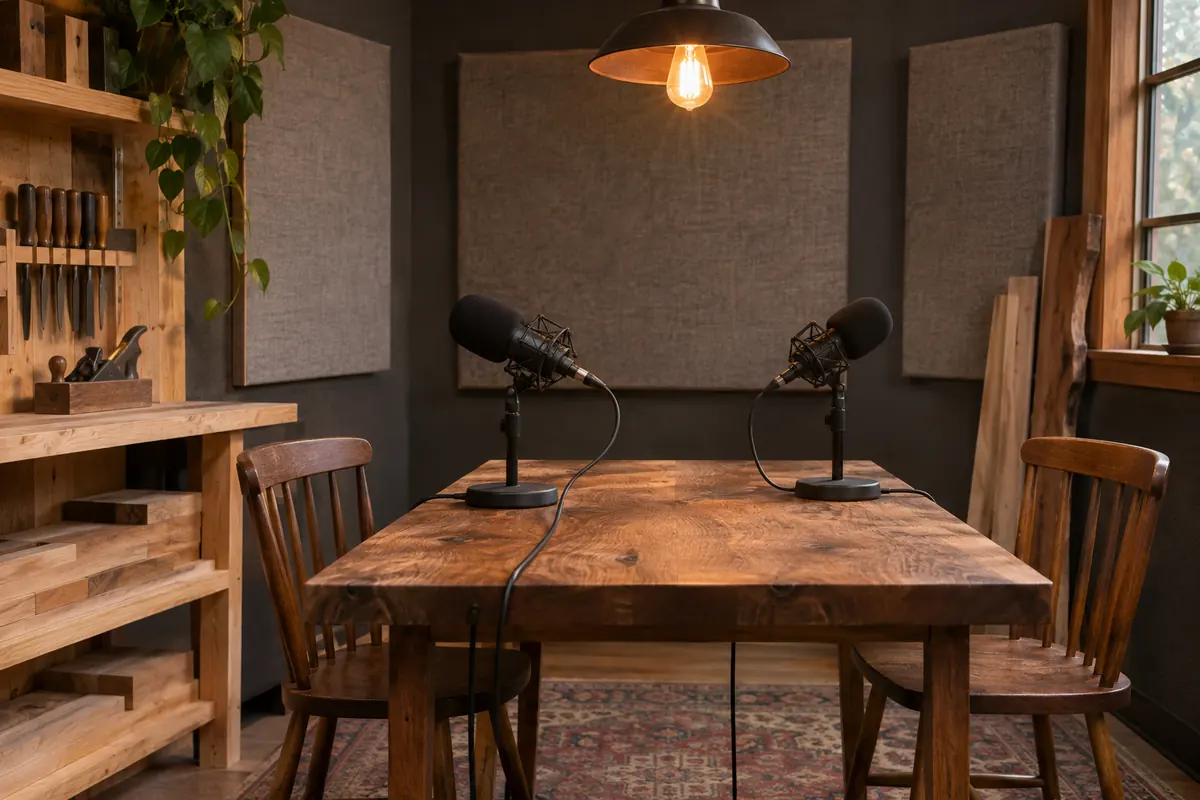
Share themes rather than scripts
A list of topics helps guests remember relevant examples without forcing them to memorize polished answers. An exact script can make an informal interview stiff.
Send a handful of broad questions or themes in advance. Notice what happens at the boundaries of this task, not only in the part receiving your immediate attention. A change that looks correct on its own can affect the portion that precedes or follows it. Check both relationships before taking the work further. Explain that follow-up questions will depend on what is discussed. If you need to make a later correction, keep enough information to understand why the earlier choice was made. Clear records prevent confusion between a deliberate decision and an accidental difference that appeared halfway through.
For more on a nearby subject, read Following Up Without Interrupting the Guest.
Prepare the room or remote setup
Technical uncertainty can distract a guest from the conversation. Simple instructions about microphone position and a quiet space usually help.
Give yourself a little room to adjust without losing sight of the purpose of the exercise. Arrange a short test before the interview rather than troubleshooting during the opening question. An arrangement that is almost right may need a small practical change rather than a full redesign. Ensure the guest can speak comfortably while remaining intelligible. If possible, compare the result at a later stage, when you can assess it in relation to the other work. Keep the parts that already perform well. Repeated changes to a satisfactory detail consume time and may introduce problems that were not present originally.
Set timing expectations
An interview may include setup, a short warm-up, the main conversation and a few follow-up questions. A guest who expects a thirty-minute commitment may not have time for a longer session.
It is easy to become preoccupied with one detail while losing the original reason for addressing it. Agree on the overall time available and leave a little margin. Remember to consider how the choice affects the finished material rather than merely the intermediate result. Prioritize the essential questions if the guest has a firm departure time. Where two approaches appear equally suitable, think about the effort needed to maintain each of them. There may be an advantage to the simpler one if it leaves more room to deal with unpredictable problems. Preserve the comparison so you can revisit it if circumstances change.
Reduce pressure around mistakes
People sometimes struggle for a word or restart a sentence. A recording does not have to be a live performance.
Explain that pausing or repeating a difficult phrase is acceptable. A recurring difficulty at this stage can be a sign that an earlier part of the process was not arranged conveniently. Instead of repeatedly compensating for the same fault, look back at what led to it. Use natural breaks and avoid drawing unnecessary attention to minor mistakes. A small adjustment near the source may remove the need for an expensive correction every time. Preserve the current material until the revised approach has been tested. If the new version is worse, return to the earlier one and retain what you learned from the example.
For more on a nearby subject, read Starting a Podcast About Woodworking.
Have a practical fallback
Connections can fail, files can be lost and an unsuitable room may need to change. Agree on a simple backup arrangement before the guest spends time on the session.
There is a difference between remembering a method and being able to repeat it under ordinary conditions. Identify a way to reconnect or reschedule if necessary. Record the details that proved necessary and resist turning every observation into a complicated procedure. Keep contact arrangements separate from anything intended for publishing. If something does not work predictably, identify the part of the arrangement that is most likely responsible and test it directly. Useful conventions develop from repeated work, and they need not be fixed forever. Change them when real examples show a reason to do so.
Follow up courteously
After a recording, confirm that it was received and explain the next practical steps. The guest should not have to guess about unexpected use of the material.
Share the expected release timing and honour agreed publication conditions. Review the result as a whole instead of concentrating only on the most recent adjustment. This is a useful moment to distinguish essential checks from personal preferences that have little effect on the finished material. Keep an accurate record of any corrections or requests made before release. If an issue remains, describe it precisely enough to guide a later attempt. Keeping a concise record of the unresolved problem can be more helpful than continuing to make small changes without a clear expectation of what will improve.
A final review
The true measure of good preparation is the absence of unnecessary distractions during the recording. Resolve the logistical and editorial questions beforehand where possible, and follow through on the arrangements after the conversation.