Building an Archive of Craft Interviews and Lessons
Organize a collection of maker conversations, shop notes and practical craft resources for long-term reading and listening.
Read article The Greenwood Worker PodcastWoodwork, conversation & the craft of recording
Browse the GWW Podcast archive of practical articles on recording, audio editing, interviews, transcription, content creation and woodworking.
No matching articles. Try a different subject or year.
Organize a collection of maker conversations, shop notes and practical craft resources for long-term reading and listening.
Read article
Find follow-up questions and unexplored material in your own conversation archive.
Read article
Interview people about making things, from first mistakes to the everyday details of a working craft.
Read article
Create an archive for recordings, notes, images, transcripts and editorial references.
Read article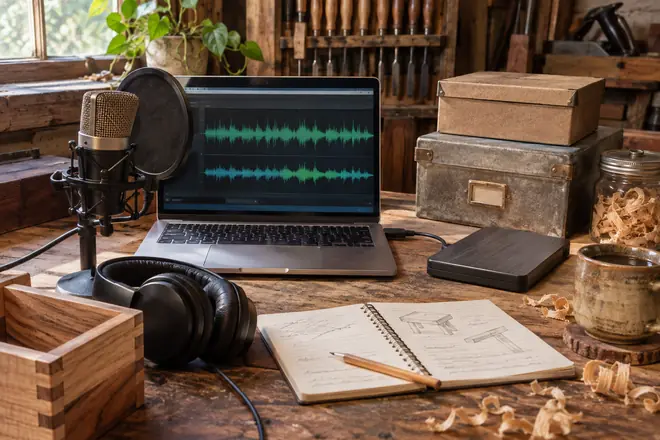
A delivery workflow for masters, compressed audio, file checks and dependable archives.
Read article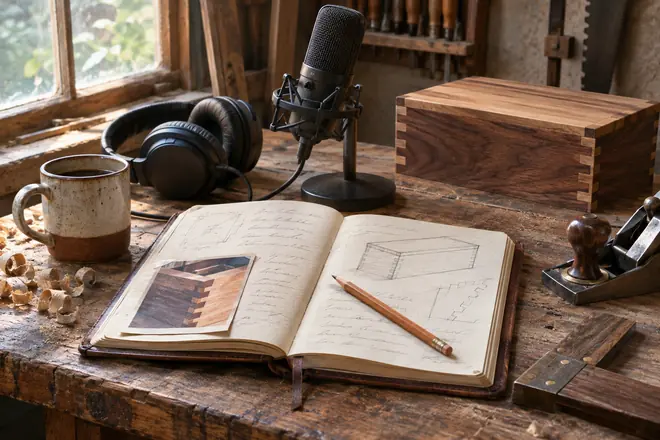
Record material choices, measurements, adjustments and results so that later craft projects benefit.
Read article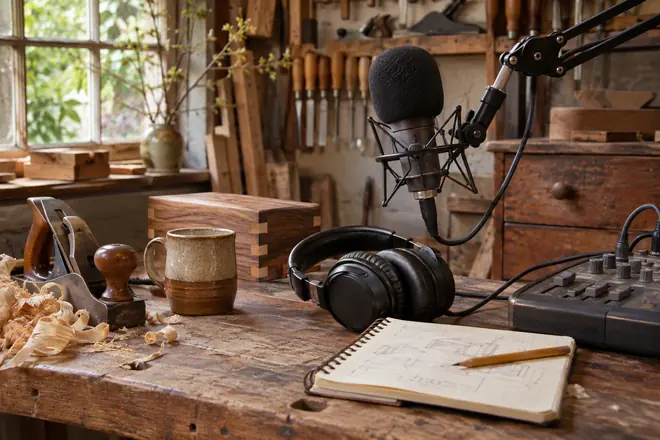
Use short sound recordings to establish place and add texture while protecting dialogue clarity.
Read article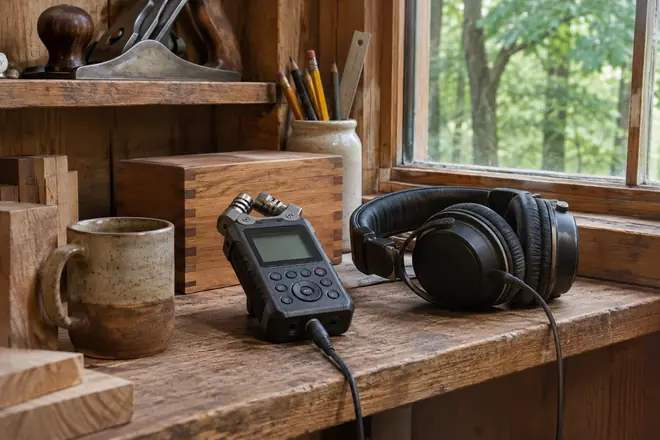
A compact workflow for recording conversations away from a permanent studio.
Read article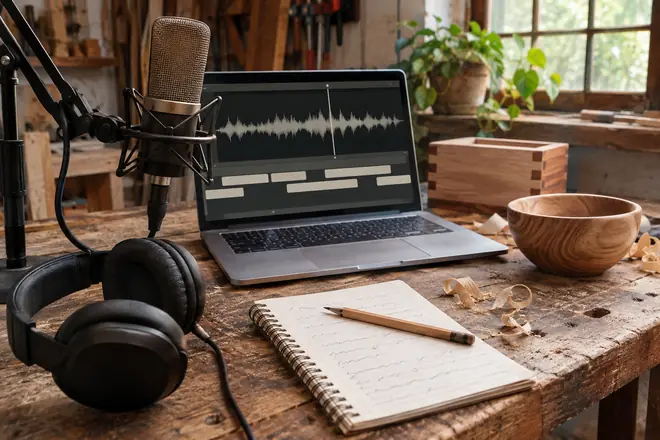
Adapt spoken content into synchronized, readable captions without losing important meaning.
Read article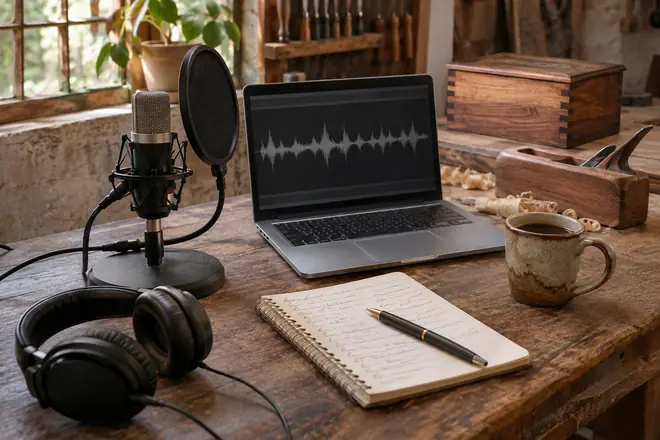
Adapt a spoken explanation into a coherent article with practical structure and clear references.
Read article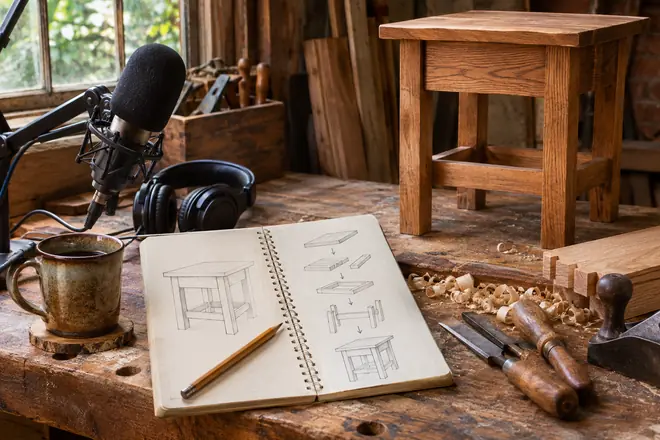
Think through measurements, material, workholding and fitting before committing to a small project.
Read article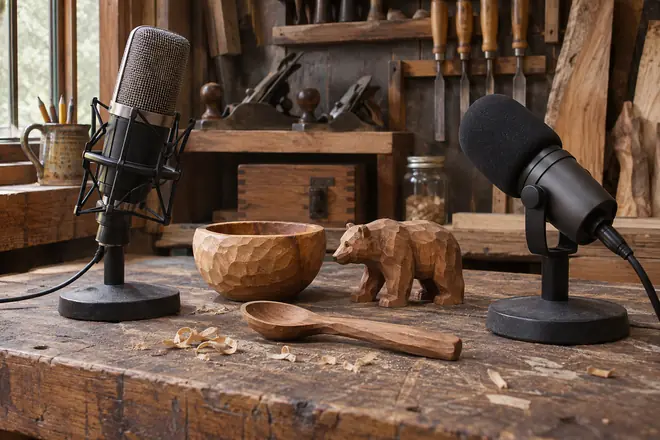
Develop active listening and thoughtful follow-up techniques for independent interview programmes.
Read article
Create episode notes that help a reader understand and revisit an audio programme.
Read article
Make long transcripts easier to navigate by marking speakers and linking text to the audio timeline.
Read article
Understand how dynamics processing changes speech and how to compare final listening levels.
Read article
Create useful written and audio resources from an interview while respecting context and permission.
Read article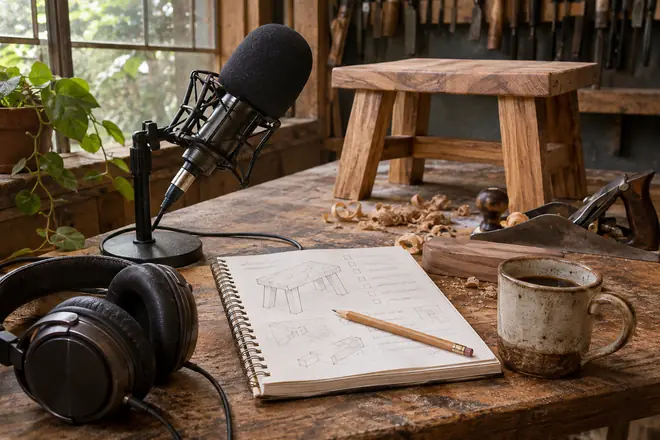
Build an episode around a realistic project, its decisions and the lessons learned during making.
Read article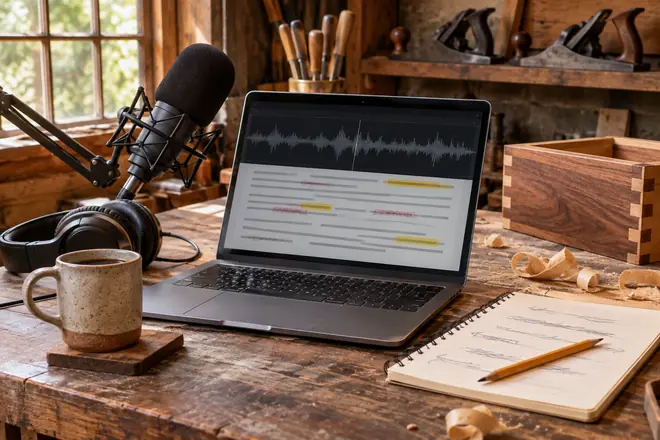
Review a draft transcription for missing context, speaker mix-ups and misleading substitutions.
Read article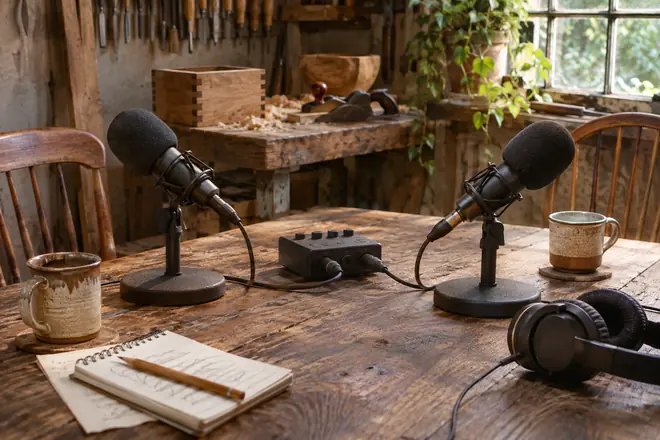
Set up simultaneous recording for two speakers while preserving each voice and a natural conversation.
Read article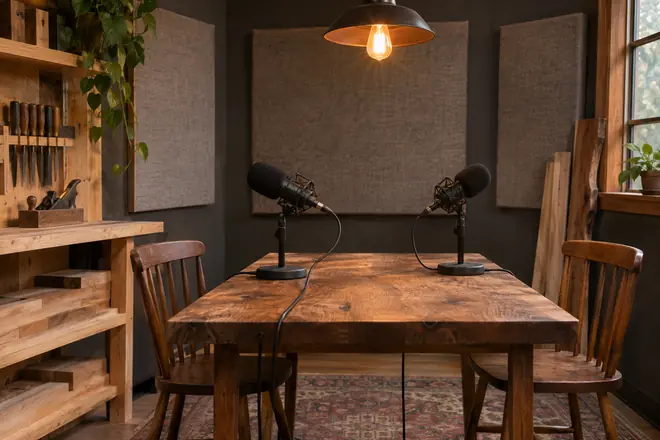
Plan an interview when host and guest are in separate recording spaces.
Read article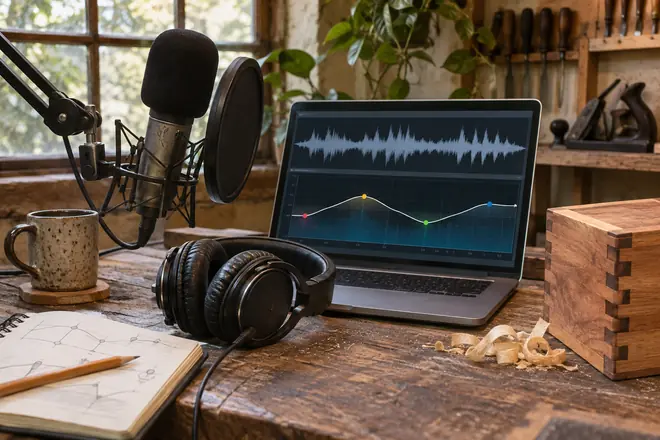
Use equalization to improve speech balance without imposing a single voice preset.
Read article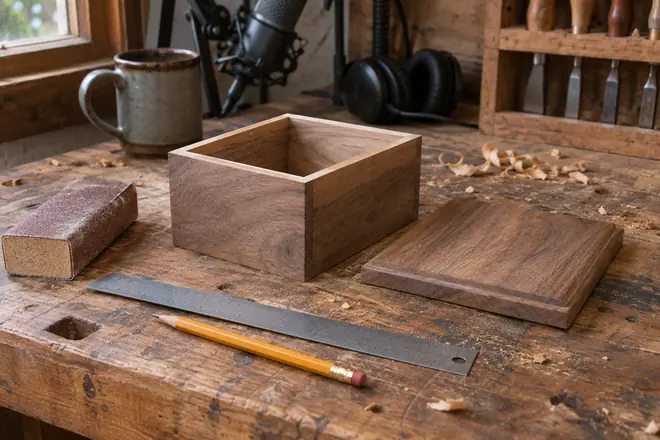
Assess grain, moisture, dimensions and expected use before selecting timber for a small craft project.
Read article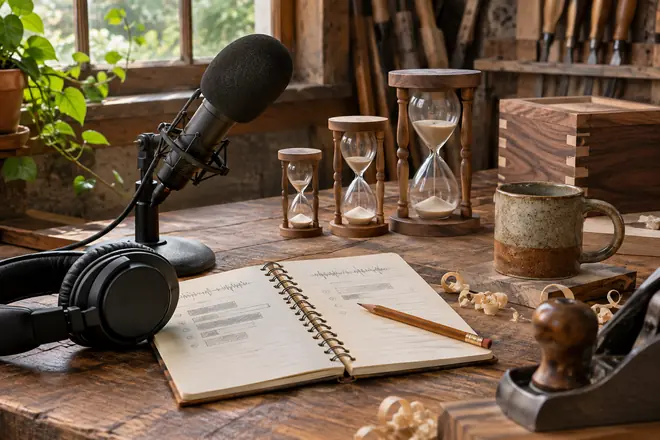
Find an episode duration that fits the subject, listening context and production schedule.
Read article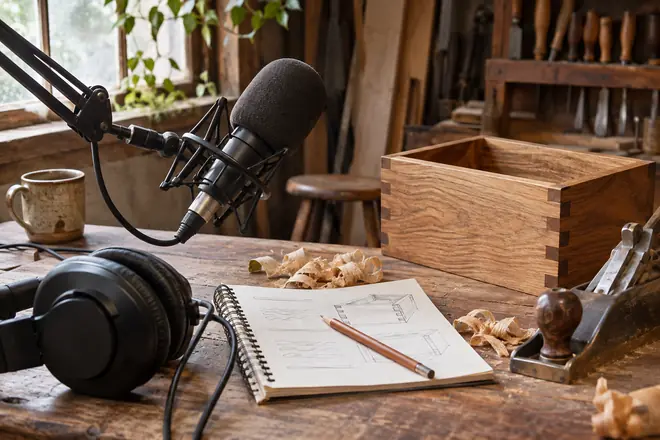
Explain materials and workshop decisions clearly when the audience cannot see what is being made.
Read article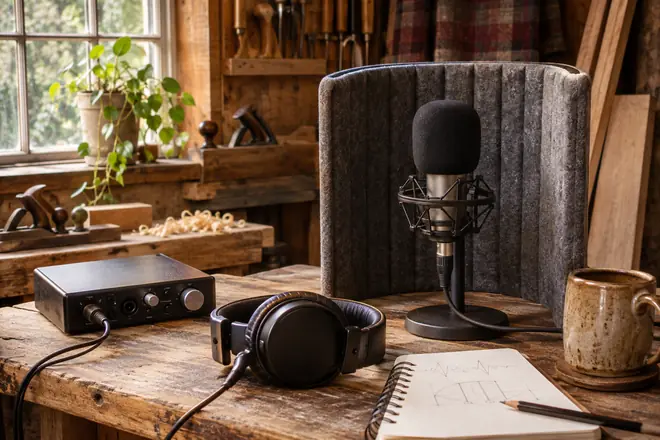
Identify background noise, apply restrained cleanup and protect intelligibility.
Read article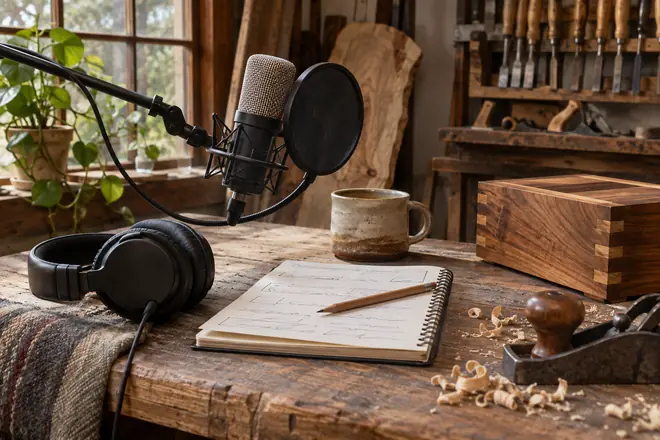
Draft words for speech while keeping structure, rhythm and practical examples.
Read article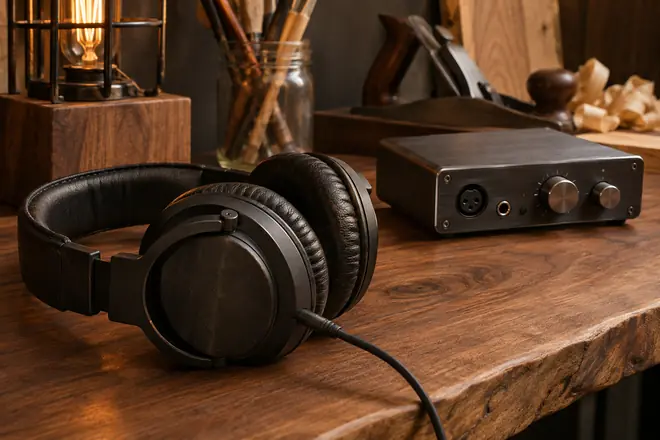
Understand headroom, gain staging and clean peaks before committing to a podcast recording.
Read article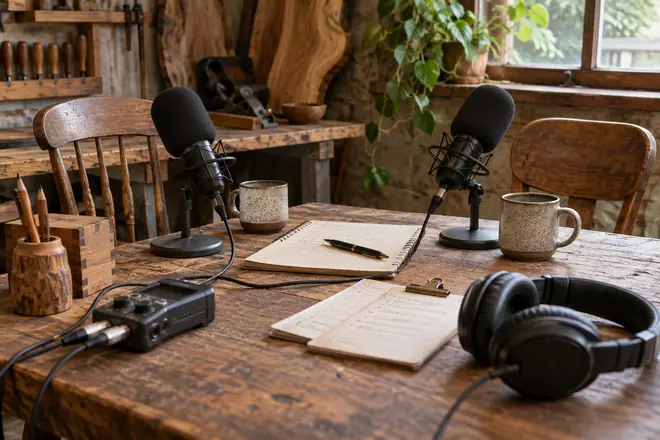
Help guests understand the recording setup, scope and practical arrangements before an interview.
Read article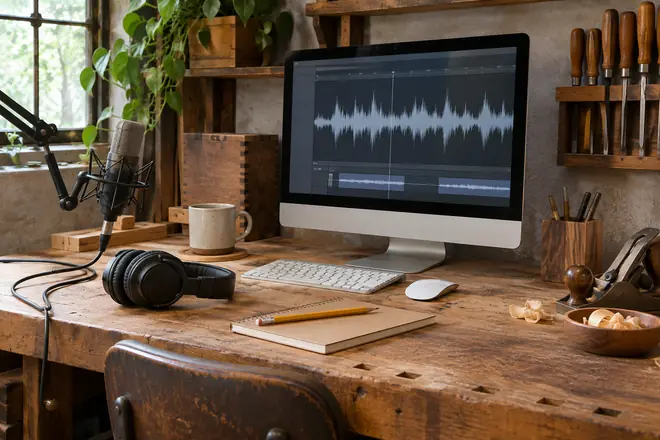
Shape spoken audio into a clear episode while keeping real conversational rhythm.
Read article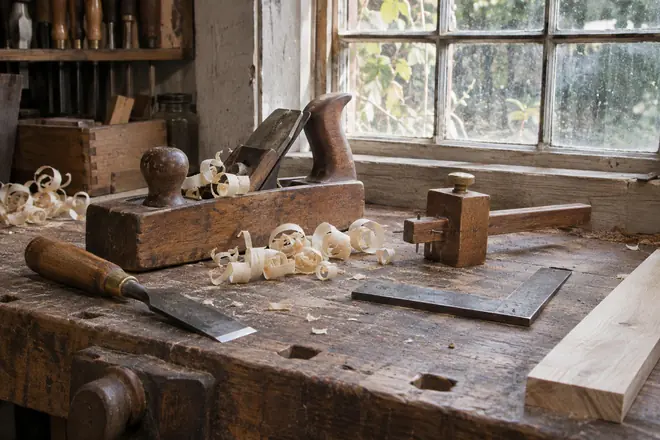
Plan a compact bench for careful small projects and accessible tool storage.
Read article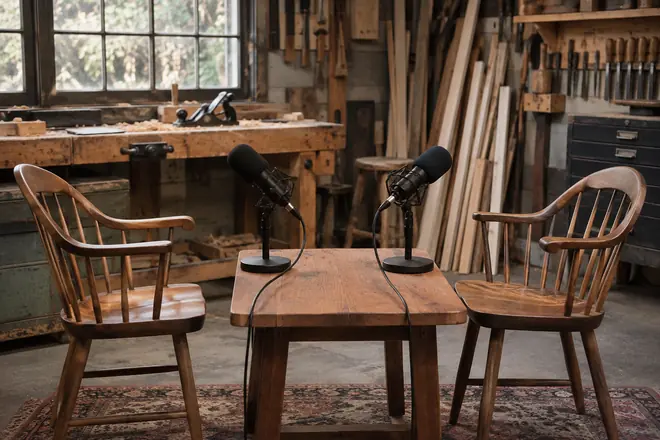
Compare solo, co-hosted and interview formats using editorial and production trade-offs.
Read article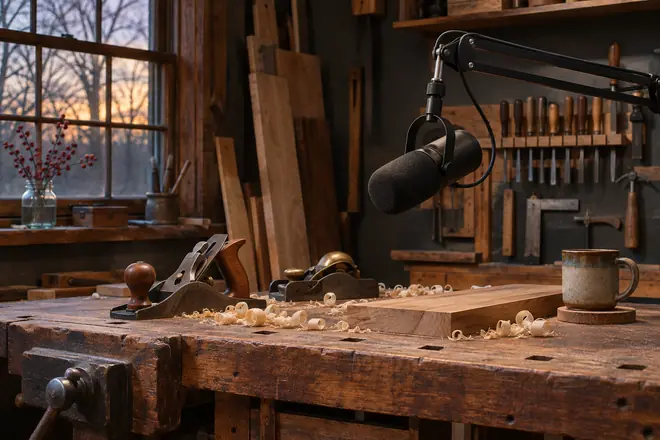
Capture intelligible voice among reflective surfaces, machinery and changing workshop sounds.
Read article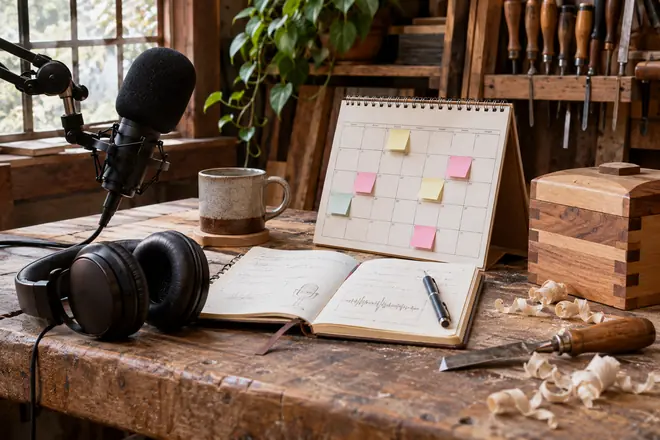
Organize ideas, recording sessions and release dates without turning a small production into paperwork.
Read article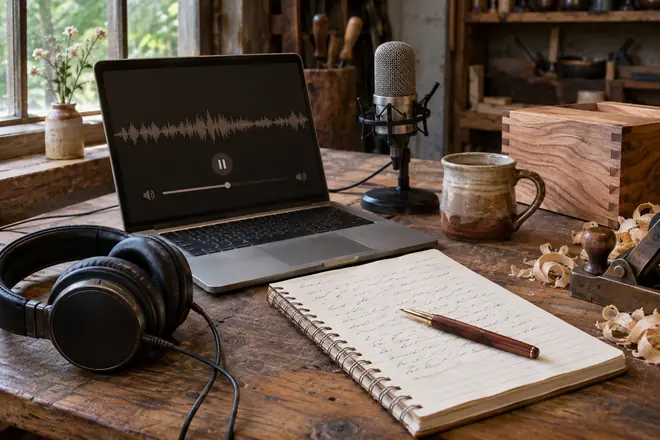
Create a readable, faithful written record of spoken audio with a straightforward manual workflow.
Read article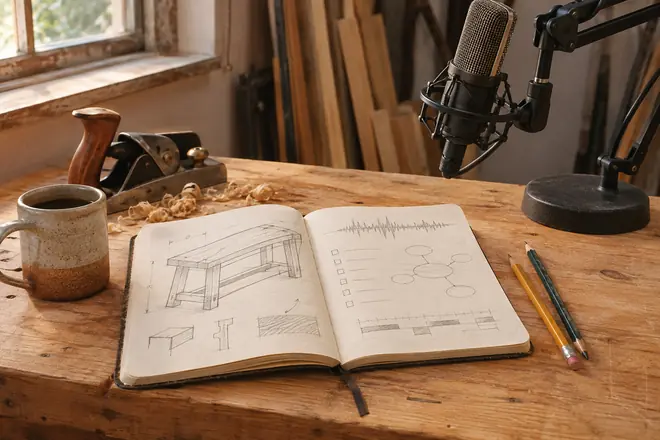
Build an opening run of episodes around a clear theme, a workable format and useful questions.
Read article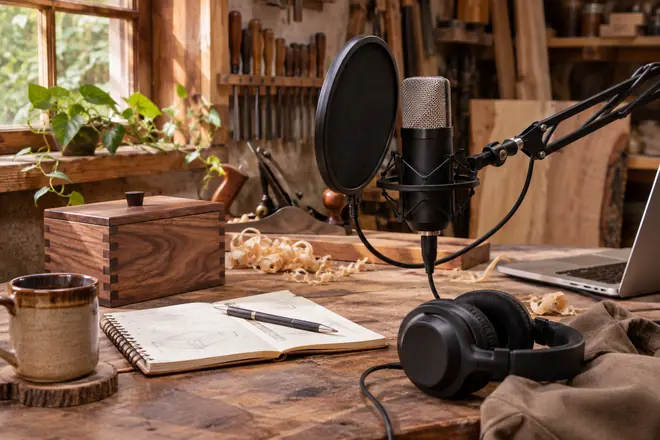
Develop an independent craft programme around workshop stories, practical questions and thoughtful interviews.
Read article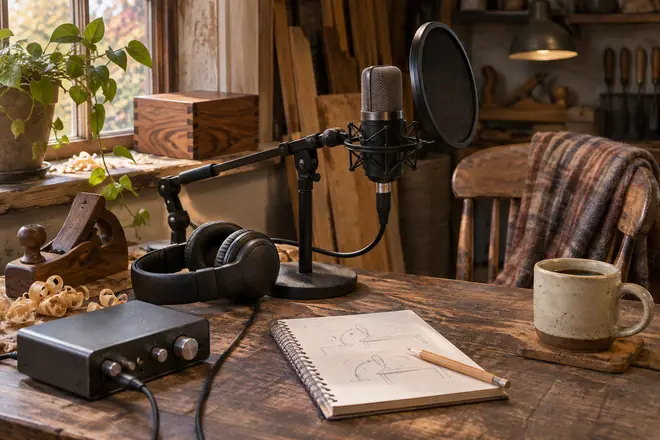
A hands-on method for controlling distance, reflection and clarity in a modest recording room.
Read article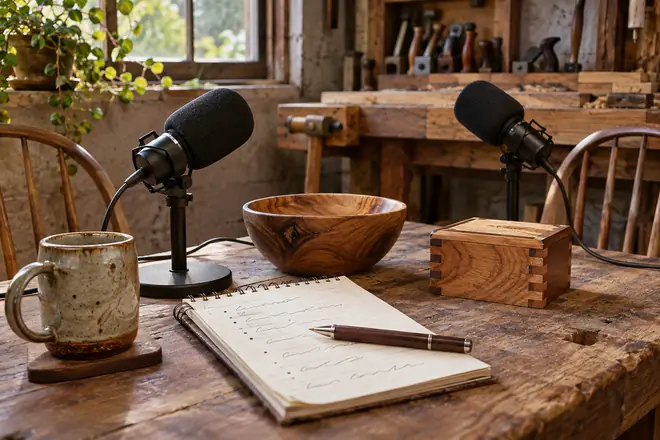
Prepare questions that produce specific memories, explanations and useful follow-up conversation.
Read article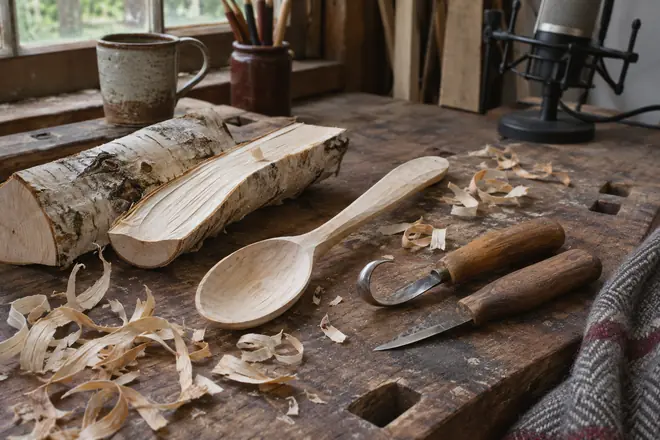
Understand the appeal, materials and basic working habits of small green woodworking projects.
Read article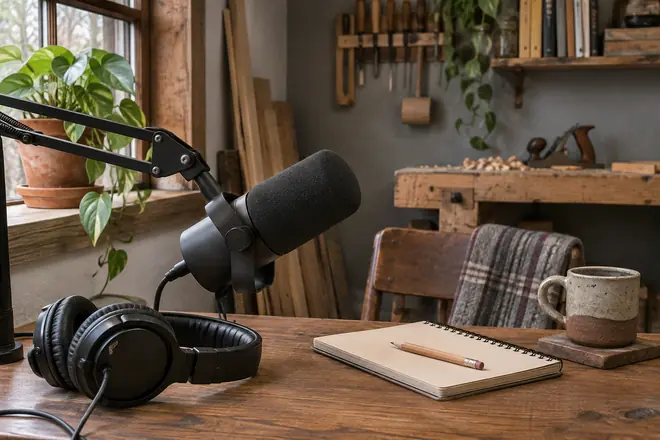
A practical way to launch a modest independent show without buying a studio.
Read article