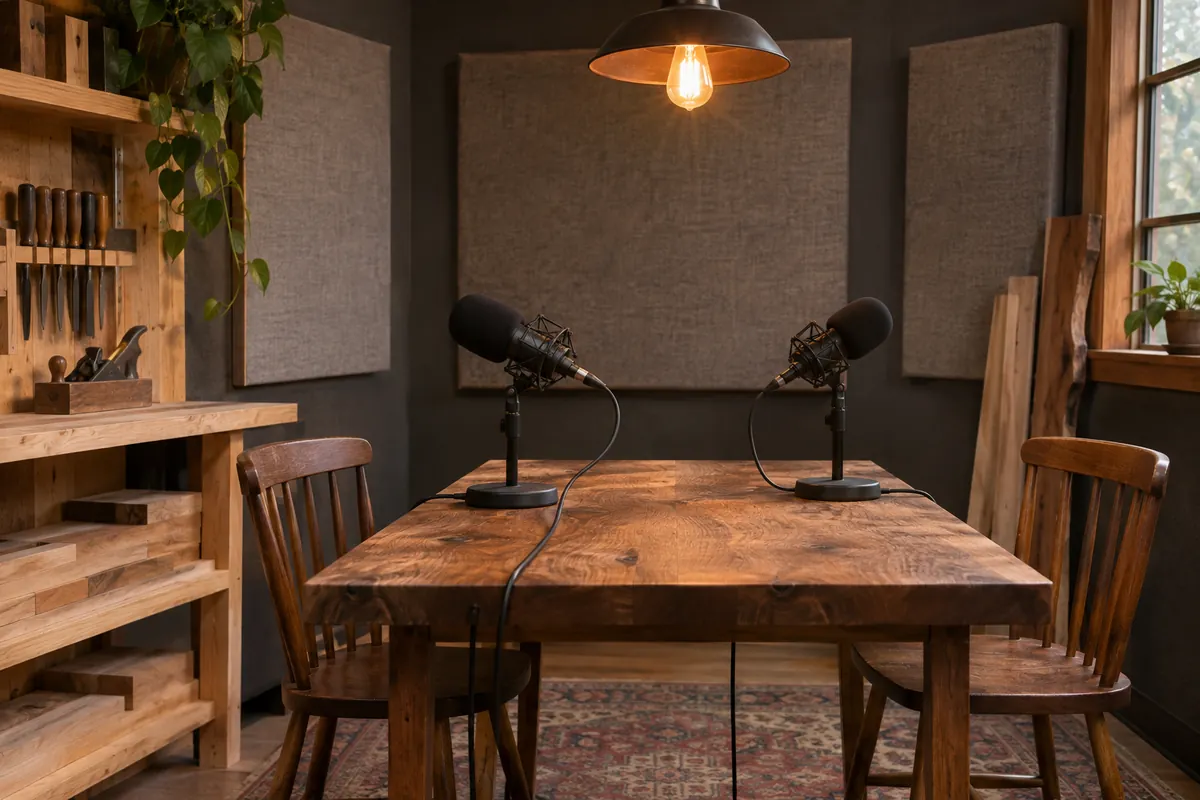
Two voices arriving through an online conversation do not necessarily reveal what each microphone is recording at its own location. A reliable connection and a clean recording are related but distinct concerns. A short rehearsal can uncover echo, missing tracks and unstable levels while there is still time to change the arrangement. The real interview should not be the first test.
Choose the recording arrangement
Conversation audio sent over a connection may differ from a locally captured track. Local recording can preserve sound if the connection briefly deteriorates.
For a useful first comparison, use an ordinary situation rather than an unusually favourable one. Decide whether each speaker will keep a local recording as well as a conversation channel. The result should be representative of the work you normally intend to do, not a demonstration designed only to make the method look successful. Write down anything you are obliged to change during the trial, especially when a different person or material is involved. Test exactly the arrangement intended for the real interview. That observation gives you a starting measure for the remaining decisions, even if the initial attempt reveals a problem that needs another pass.
Give the guest clear setup instructions
A complex set of requirements is hard to follow shortly before a recording. A quiet space, stable microphone position and headphones when practical address many common problems.
Approach this stage as a series of small decisions rather than a single correction. Send concise instructions and ask about any equipment limitations. When working with more than one variable, change just the one most closely related to the issue you have noticed. A different position, arrangement or passage may introduce an unrelated effect that confuses the comparison. Use the test session to confirm rather than assume compliance. Make a note of the details that had the clearest influence. This makes it possible to recreate a worthwhile change later without repeating all of the initial experimentation.
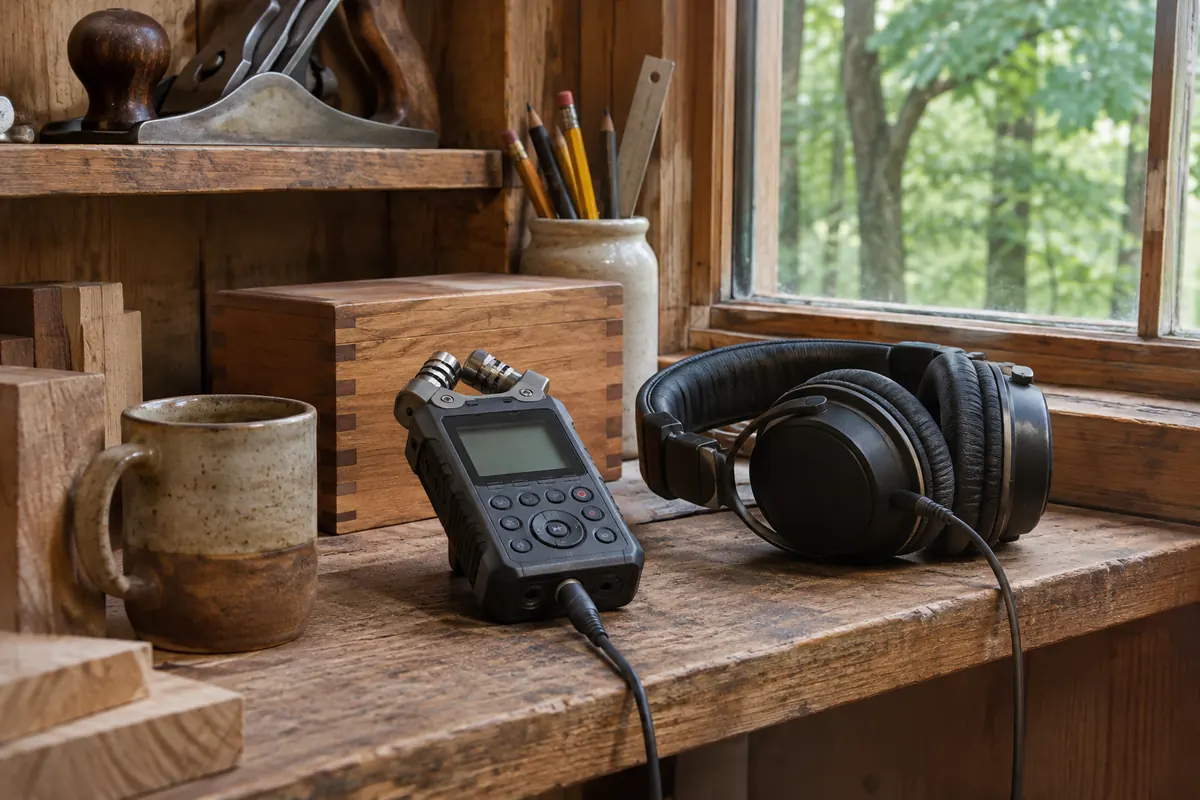
Check for echo from playback
A guest's speakers may feed the host's voice back into the guest microphone. This can create echo and make overlapping responses difficult to edit.
Use suitable headphones or another arrangement that prevents playback entering the microphone. Notice what happens at the boundaries of this task, not only in the part receiving your immediate attention. A change that looks correct on its own can affect the portion that precedes or follows it. Check both relationships before taking the work further. Test while both people speak naturally with occasional overlap. If you need to make a later correction, keep enough information to understand why the earlier choice was made. Clear records prevent confusion between a deliberate decision and an accidental difference that appeared halfway through.
For more on a nearby subject, read Following Up Without Interrupting the Guest.
Mark a common reference
Separate files can begin at different times. A clear shared event helps align recordings during editing.
Arrange an audible reference at the start that both recordings can capture. Try not to judge the success of the decision solely by how easy it is to carry out. Some seemingly convenient choices require substantial reworking later, while a little preparation may eliminate a recurring difficulty. Consider the next person or the next stage that will depend on this result. Check synchronization again near the end, especially if independent devices were used. A useful way to decide is to imagine having to return to the work after several weeks. Leave enough context to make that return straightforward.
Expect connection interruptions
A conversation can survive a brief network fault if speakers notice it and restart from a clear thought. Continuing while one person cannot hear can produce unusable material.
Before extending this change to everything else, see how it behaves in a small controlled example. Agree that either participant can pause when the connection breaks. When possible, choose material that contains both ordinary features and the difficulty you are trying to address. This gives a more balanced impression of the result than selecting only the worst portion. Repeat the missing response when a stable conversation resumes. A correction that improves one area but makes the normal material harder to use should be reconsidered. Adjust the scope instead of applying a broad solution merely for consistency.
Preserve the local originals
A compressed or transferred version of a remote track might have a different quality or duration from the source. Retain original files whenever practical.
Ask each speaker to confirm the recording is saved before ending the call. Check whether any detail depends on an arrangement that will change later. It is common to discover that a useful intermediate result becomes inaccurate when the surrounding material is rearranged or another requirement changes. Transfer and verify the files early while problems can still be addressed. Make a final comparison after those dependencies are stable. In the meantime, leave a clear indication of what still needs to be confirmed. This is more useful than treating provisional work as finished and forgetting which assumptions require another check.
Further reading in the journal: Capturing Workshop Atmosphere for a Podcast.
Listen for changing room sound
A remote guest may move a microphone or change position without noticing. Differences over a long interview can be conspicuous when editing.
Monitor representative passages and note large changes in tone or noise. Consider how this result will appear to someone who did not take part in producing it. They will not have the same knowledge of discarded attempts, temporary adjustments and other circumstances. Politely ask for a small correction only if the improvement is worthwhile. A brief independent check can reveal a problem that has become familiar enough for you to overlook. If the check suggests a substantial change, preserve the version you already have and make the correction deliberately. Avoid creating unrelated revisions while trying to resolve one recognizable difficulty.
Organize the received files
Several automatically named files from different speakers can be confusing. Misidentification makes editing and synchronization more difficult.
Before moving on, establish whether the method can be repeated without reconstructing every decision. Use consistent speaker and episode references for working copies. Make the remaining checks using the actual output rather than relying entirely on the appearance of the working version. Verify the speaker, duration and opening passage of each file before editing. If the work needs a further change, keep the reference that shows why. Otherwise, write down the useful choices and put them into practice during the next comparable task. This turns the effort of the first experiment into material that continues to be useful.
Putting the method into practice
The session is not complete until the independently recorded material, where used, has arrived and been checked. Keep the source tracks separate and preserve their relationship so a later edit can be verified.